
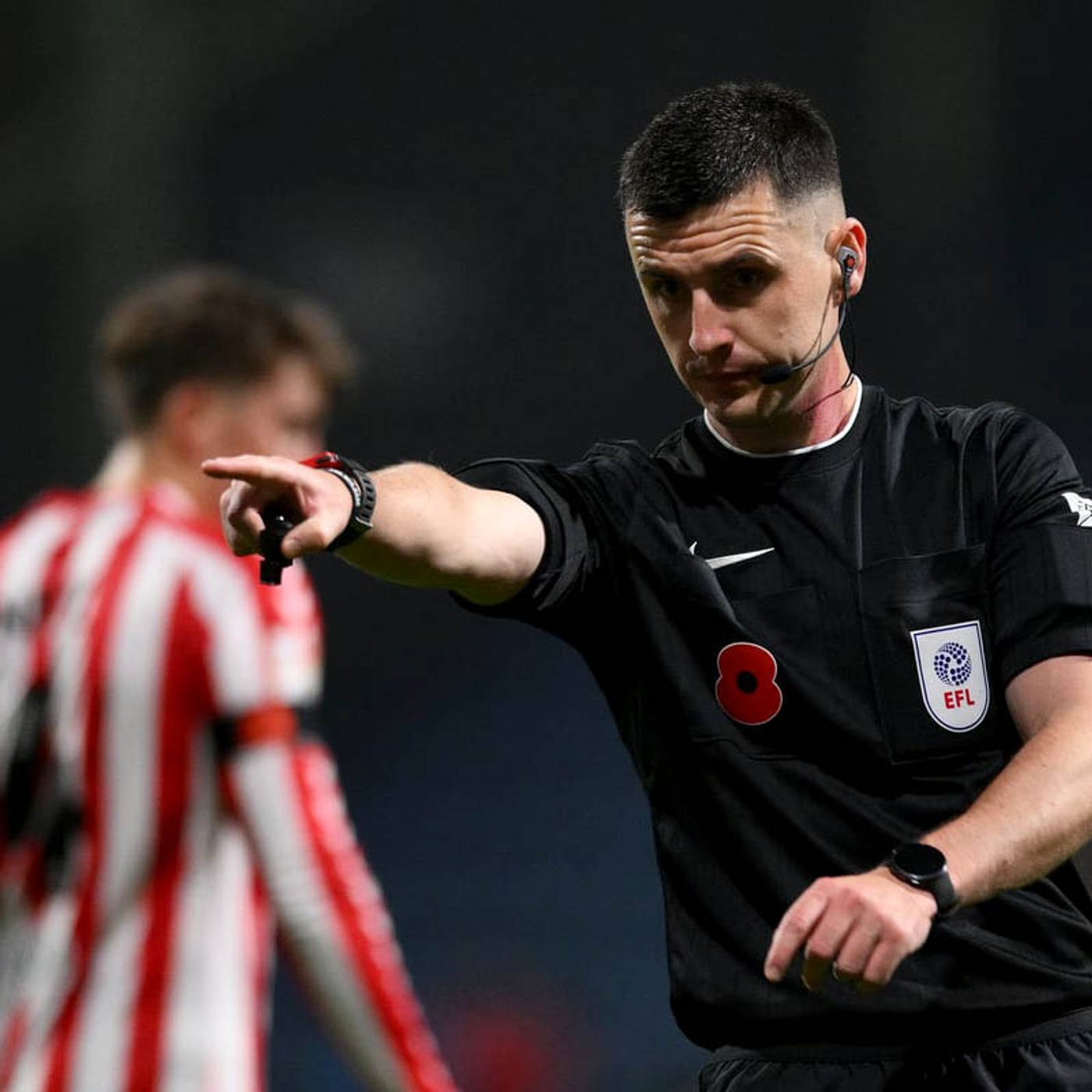
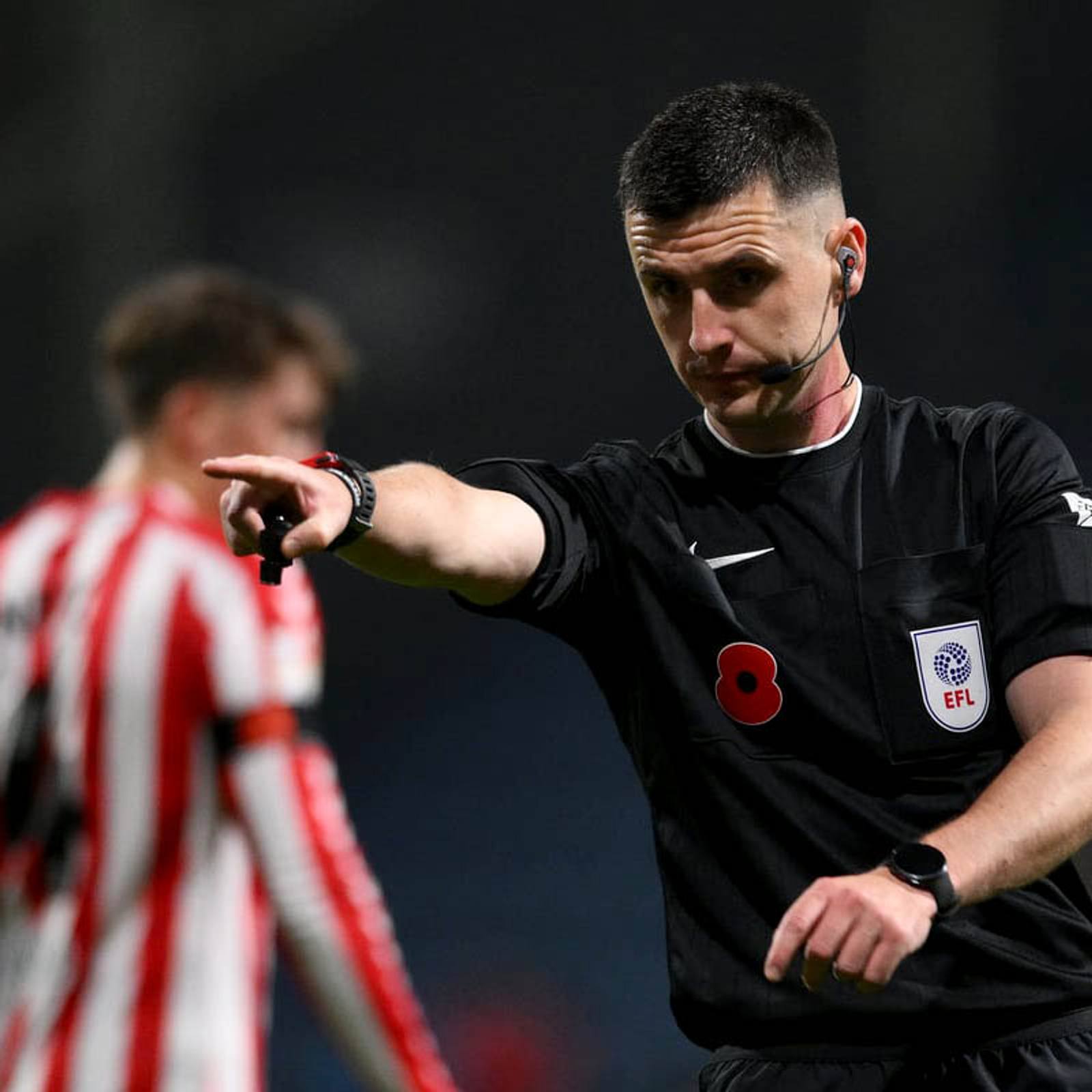
A brief history of the Football Referee
You will find many sports such as boating, shooting & athletics having some form of umpire or referee to ensure ‘fair play’ throughout the early 1800’s. Our first ever reference indicating football was being adjudicated comes from a match report of a game played in Rochdale in late 1841. The report shows use of each side having an appointed umpire. This match couldn’t be described as anything like modern football, but was a local folk style football game plays out between the Body-guards Club and the Fearnought Club.
If you carry on through the 1840’s you will find Eton inter-college football matches had 2 umpires with the addition of a separate referee. Accounts suggest the referee was only used when the two umpires could not agree themselves so may not have made many regular and important decisions during a game other than keep time.
Our earliest record of a modern football match having umpires can be found in Sheffield FC’s own club records, copies of which are kept by Sheffield Archives. The very first match at Bramall Lane between Sheffield FC & Hallam FC in December 1862 tells us that each side nominated 2 umpires, so 4 in total.
The addition of a referee who would be given the powers of making final decisions was establish into Sheffield football by the introduction of competitive tournament football in early 1867. It seems the gentlemanly nature of just a few umpires making important match decisions could not be solely relied on & the rules for the Youdan Cup introduced a referee for every match whose decision would be final. The first ever competitive association football tournament appears to have given birth to the need for the first ever modern football referee.
I couldn’t find any early references for London FA games having umpires or referees which is no surprise since association football in the capital didn’t really take off in-till the introduction of the FA Cup in 1871. The 1872 final & at least one of the semi-finals that year had a named independent referee. Accounts of the final also record 2 assistants.
In 1891, the now FA finally established that the referee was the sole and only final arbitrator of the game’s rules, and the 2 umpires or assistants became relegated to what we used to call linesmen & now call assistant referees.
So once, again, Sheffield association football took the lead with the notion of the importance of a sole neutral referee for a least important matches with the London FA finally catching up several years later. Sound familiar?
Do you have more information about this that we could add? Are any of the facts wrong? Please get in touch if so.
Source: Steve Wood