
A brief history of the Goalkeeper
Like many other cricket terms such as field, captain, caps, pitch, first 11, ground, hat-trick, offside, laws, umpire, score board, season, shot, strike, etc. I guess we can add ‘keeper’ to that list of where the label may have originated from & found its way into modern football. But how did the position of this very different playing position evolve in the games very early ‘modern’ days?
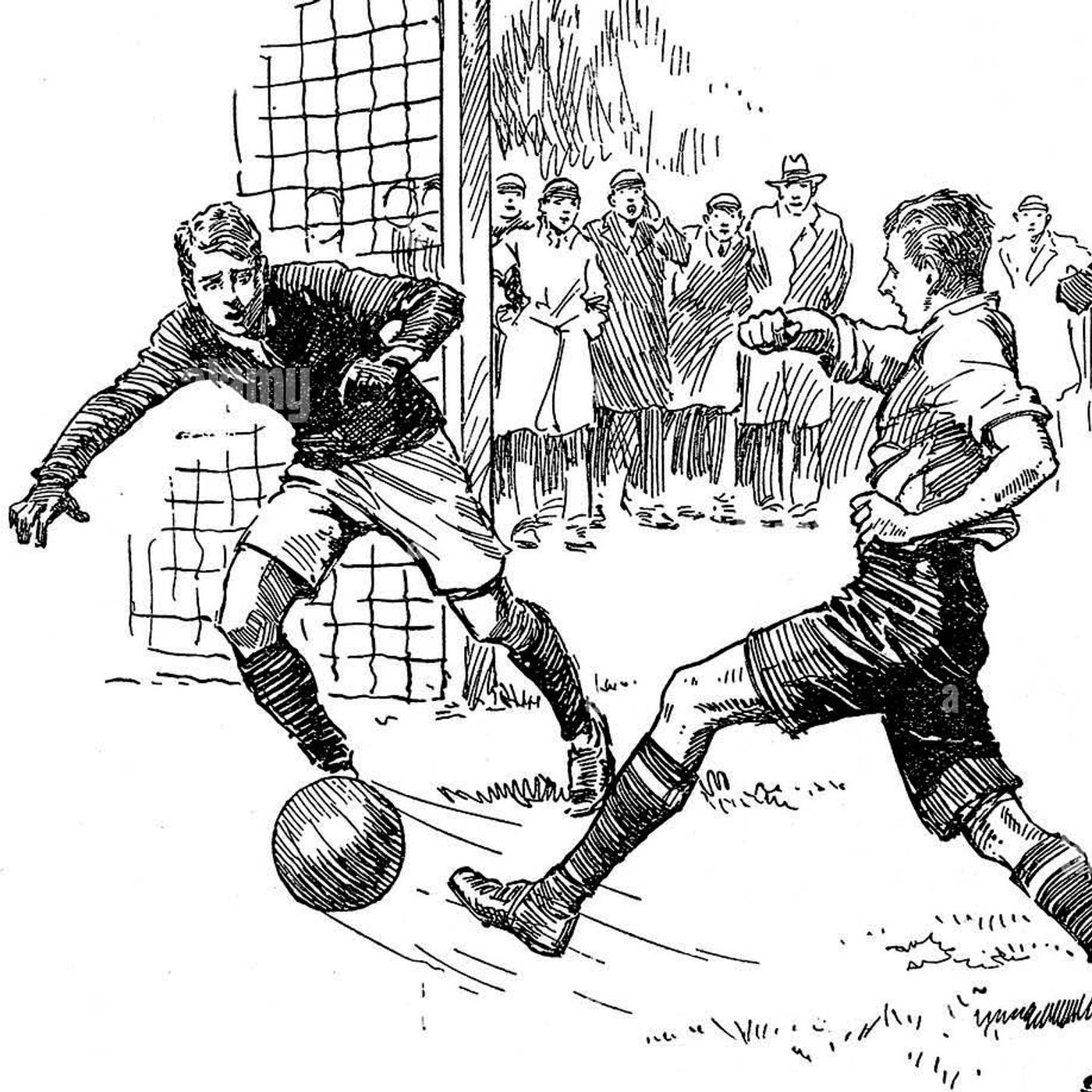
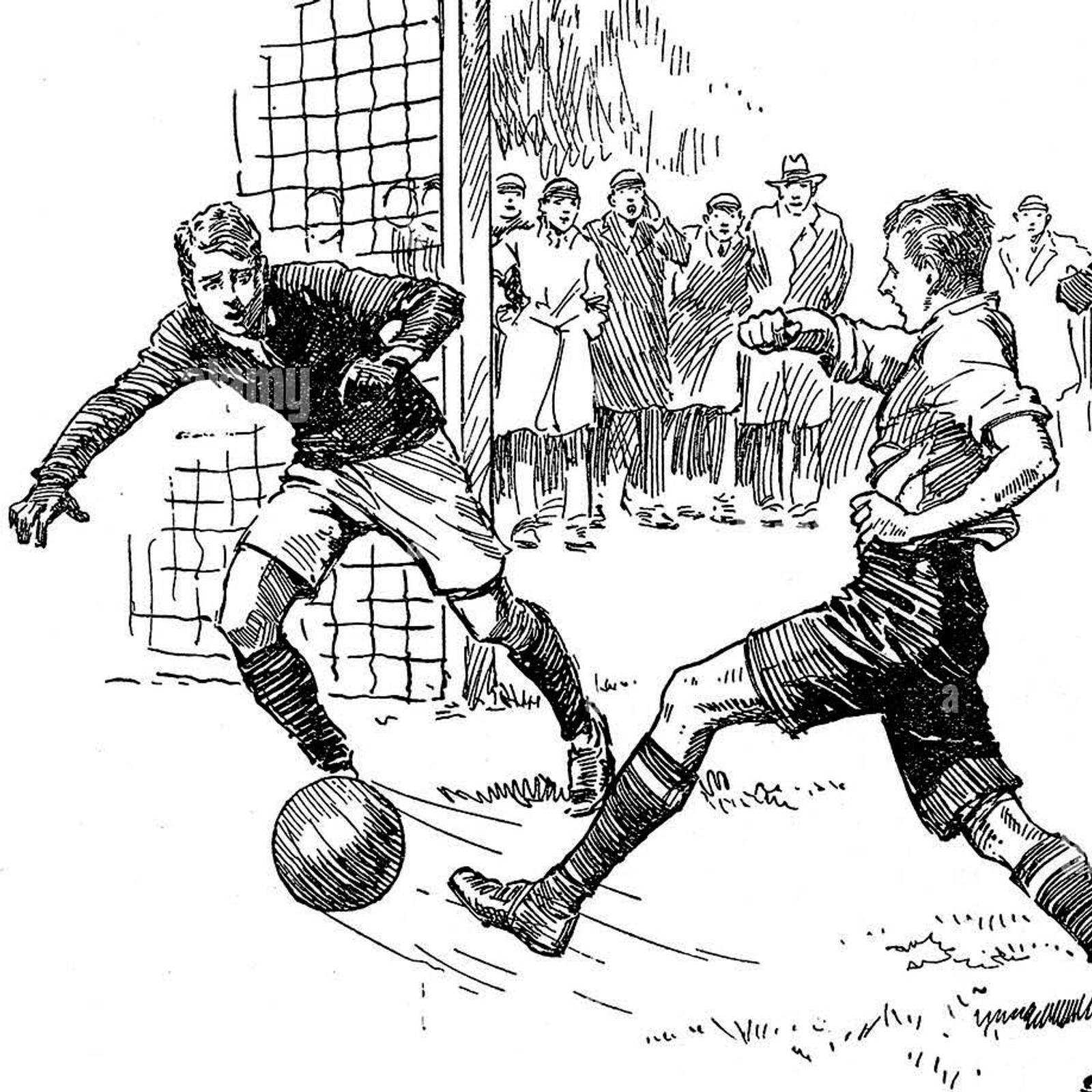
The term “goal-keeper” or “keeper” referring to a football player whose job it is to protect the goal more than any other players on the pitch can be found in public school football match reports during the 1850’s. Shrewsbury School for example had named goal-keepers on each side in a game played in December 1857. Rossall School had a named keeper on the Monitors side in a Monitors vs School match in December 1858.
The extent to which the designated keeper could handle the ball isn’t clear from the accounts however early public-school rules did allow a degree of pushing the ball with the hands as well as catching (the fair catch) so keepers making saves with hands as well as collecting the ball in the air was likely in the late 1850’s. Its less likely that this position would have been allowed to collect the ball from the ground at this stage however.
Harry Chambers in a letter written to The Field in February 1867 claimed that Sheffield football had a named goalkeeper position as early as 1863. He describes the rules as the defending player being nearest the goal can act as the keeper (a bit like “goalie wag” in our youth). The rule he claims existed in 1863 was easy to enforce and necessary to have to protect situations where the ‘regular goalkeeper’ had drifted too far out of position. Again, its not clear to what extent this early Sheffield keeper position was allowed to handle the ball.
Chamber’s 1867 letter was replying to an earlier letter in which the writer had pointed out potential disputes relating to which players could handle the ball during play so it’s possible that a degree of handling may have been allowed by the keeper in Sheffield in 1863. Any player of course could catch the ball in the air and claim a fair catch and this would have been one method used by Sheffield keepers to stop goals.
The 1867 Sheffield FA Rules are the first modern association football rules that name the goalkeeper position and describe in what circumstances a player can act as the keeper. Rule 6 states: Any player between an opponent’s goal and goal-keeper (unless he has followed the ball there) is off-side and out of play. The goal-keeper is that player on the defending side who for the time being is nearest to his own goal.
More clues about the extent to which the Sheffield goal keeper was allowed to handle come from the Cromwell Cup Final match reports in 1868. A Sheffield Independent report in February 1868 describes The Wednesday keeper as “ showing bad judgement by kicking at the ball instead of simply stopping it” suggesting that more than just feet may & should be used in playing the ball. You can also stop the basll with your feet of course and the report doesn’t say anything about hands and arms leaving us to assume the keeper being able to defend the gaol with hands and arms wasn’t allowed outside of the fair catch at this stage.
In 1871 the London FA introduced their own definition of the goalkeeper into their own laws and stated that this player could handle the ball to protect their own goal. The 1875 the Sheffield FA rules finally made it clear that their goal keepers could finally play the ball with hands and arms.
Various rules about what the keeper can do with the ball have been introduced over the years since the 1870’s the most recent being in 1997 stating that the goalkeeper cannot hold the ball for more than 6 seconds. YES, that rule still exists!
Do you have more information about this that we could add? Are any of the facts wrong? Please get in touch if so.
Source: Steve Wood