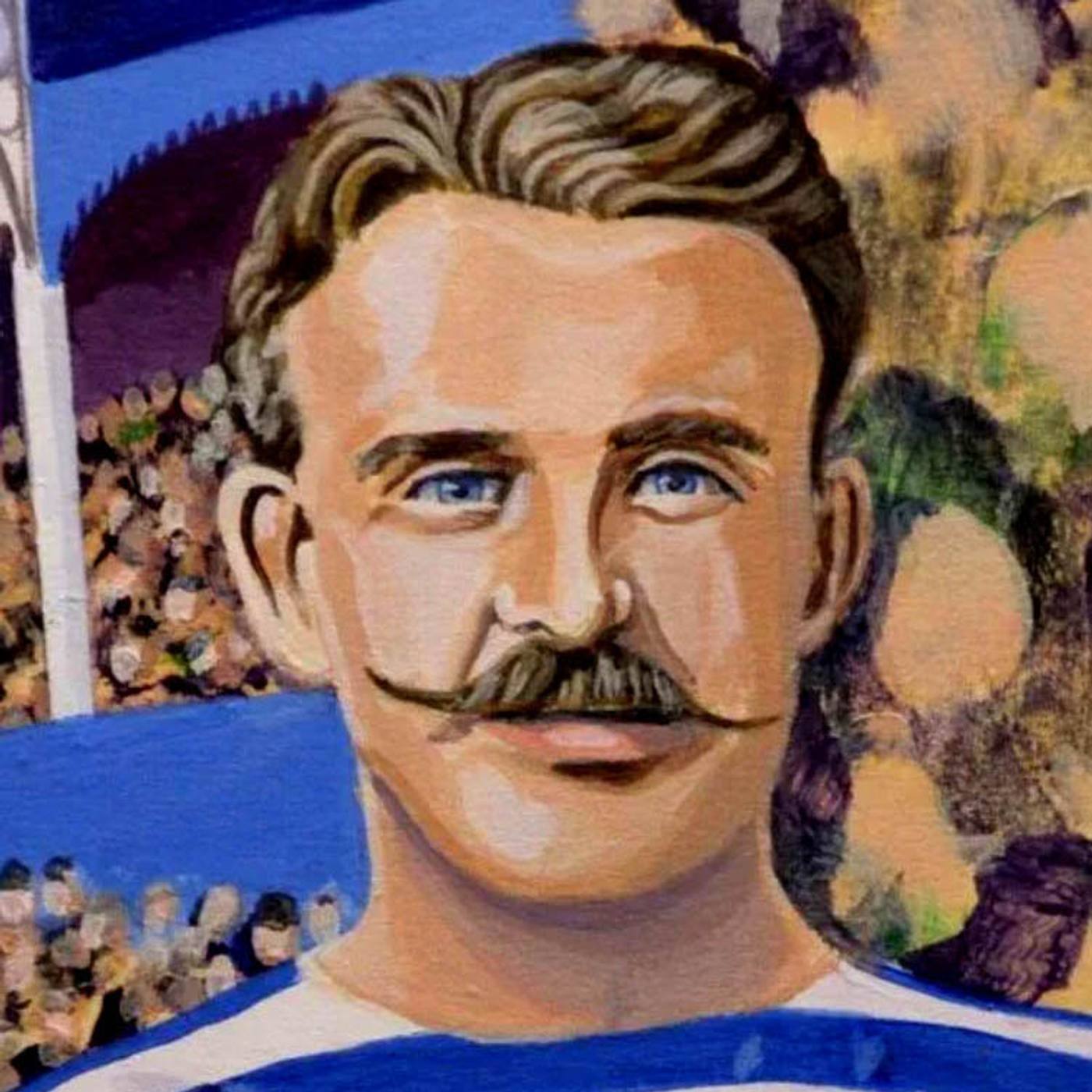
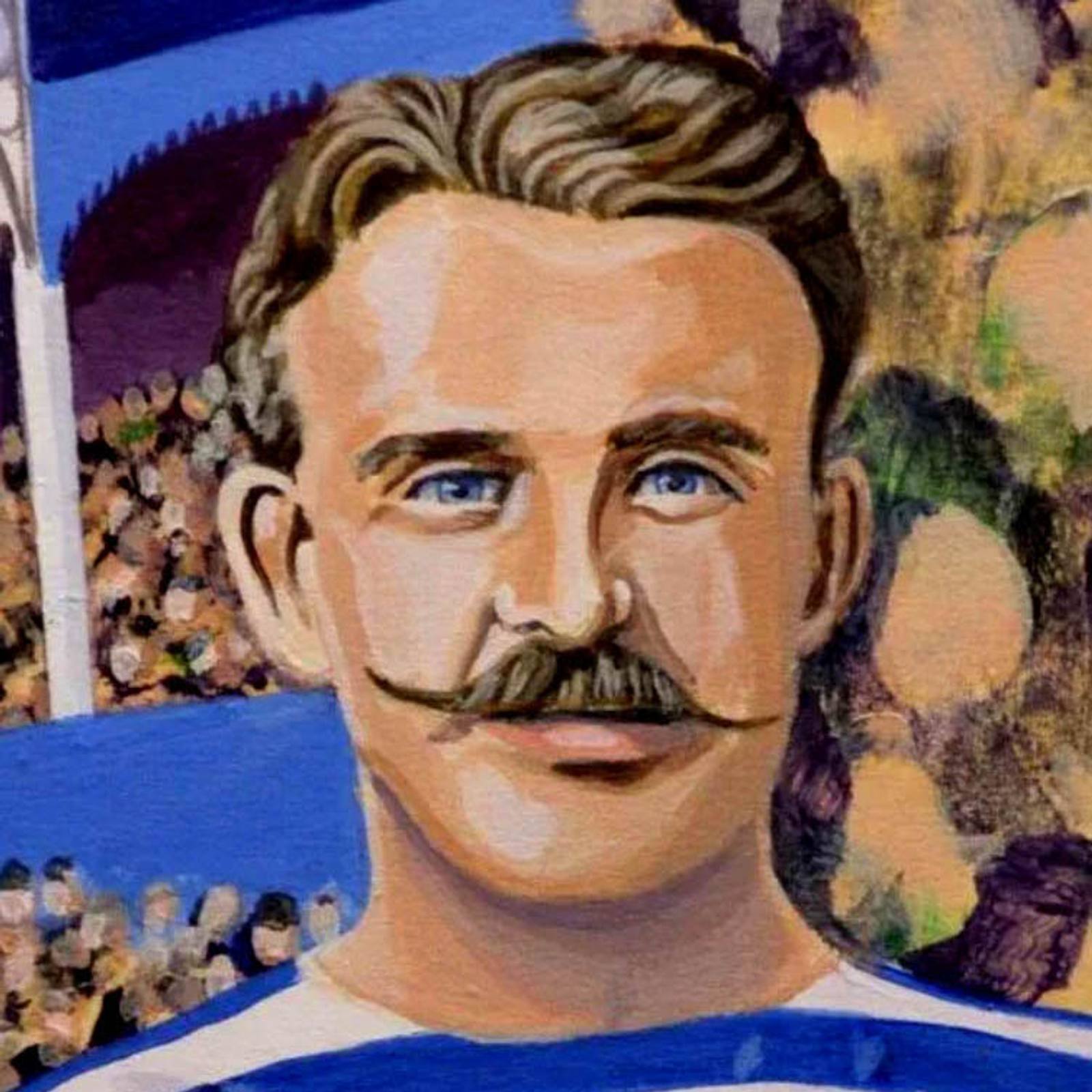
John Charles Clegg
AKA The Napoleon of Football! Both Clegg brothers started playing football in Sheffield as young men in 1869 for Broomhall FC. Charles was a fine athlete and footballer whose skills were in high demand. He quickly, in “Hunter & Mosforth fashion”, started turning out for multiple Sheffield clubs.
During 1869 Clegg started playing for Sheffield Norfolk FC. From 1870 onwards his name appeared on team sheets representing The Wednesday FC, Sheffield United Gymnastics’ Club, Surrey FC, Thursday Wanderers FC, Sheffield FC & Albion FC. He also developed administrative connexions with temperance Perseverance FC & Alliance FC. Charles Clegg can be compared to other great local players of the 1870’s such as Marsh, Hunter & Mosforth. He regularly played with all three. Unlike especially Hunter & Mosforth, Clegg did not need to seek expenses to fund his wider footballing interests. This may also explain his general pragmatic approach to professionalism during the next decades.
Clegg was an almost certain fixture on the team sheet of the 1870’s Sheffield FA representative sides as both a player and captain. He made multiple appearances, being involved in influential matches against London, Nottinghamshire, Glasgow, Royal Engineers, North Wales & Birmingham.
In the earliest image we have of Sheffield footballers (an engraving made to mark an Association game vs London in 1874), Clegg is likely the fifth player from the left on the back row.
Despite his clear top class footballing ability, England only called Clegg up once. His one cap came for appearing in the first ever official football international vs Scotland in November 1872. Clegg by all accounts didn’t enjoy playing for England who played a more individualistic style compared to the passing game he was more used to back in Sheffield.
While still playing, John Charles Clegg had the honour of being chosen to captain one of the sides that played in the first fever floodlit football match at Bramall Lane in 1878.
Clegg seems to have hung up his boots at the start of the 1880’s. His next football career move was to develop as a highly respected referee. During the 1880’s & 1890’s the FA called upon him to officiate two cup finals in 1882 & 1892.
As the next President of the Sheffield FA after John Charles Shaw, Clegg demonstrated his administrative negotiation ability by overseeing the merger of the Hallamshire & Sheffield Associations in 1887. The local football association is still known as this to this day.
Both of Sheffield’s big clubs owe a debt to Charles Clegg. After being one of their earliest players, Clegg forever pragmatic about professionalism, guided Sheffield Wednesday’s professional transition as its chairman. He then was involved in the formation of the first purpose made professional club in 1889, Sheffield United. He later became chairman & President of Sheffield United.
Clegg was arguably the most powerful man in English football for the longest period being FA Chairman from 1890 all the way up to 1919. He was then FA President from 1923 to 1937. He was involved with the FA in some capacity covering a period of 65 years (1872 to 1937). Clegg over time became known as ‘The Napolean of Football’ such was his influence and power in the game.
Among his many achievements, Clegg oversaw the FA’s FIFA entry in 1905 (as well as having to manage a very mixed & colourful FA relationship with FIFA for the next few decades).
Knighted in 1927, John Charles Clegg died in 1937 on 26th June. He is buried in Fulwood church yard. His grave can be easily visited. His funeral was held at Sheffield Cathedral.
Do you have more information about this that we could add? Are any of the facts wrong? Please get in touch if so.
Source: Steve Wood