
The Birthplace of Modern Association Football
The World’s First Modern Football Club House & Changing Rooms
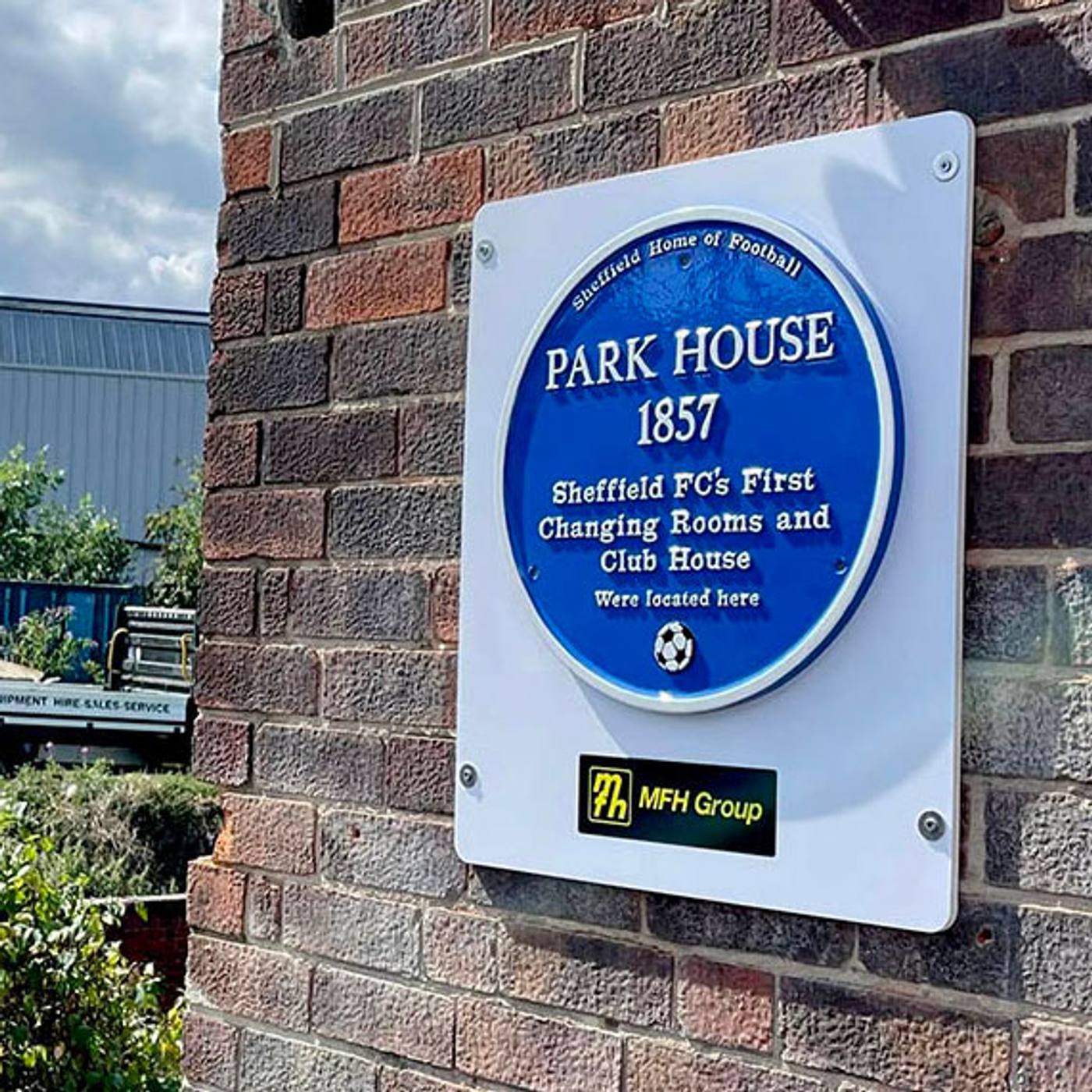
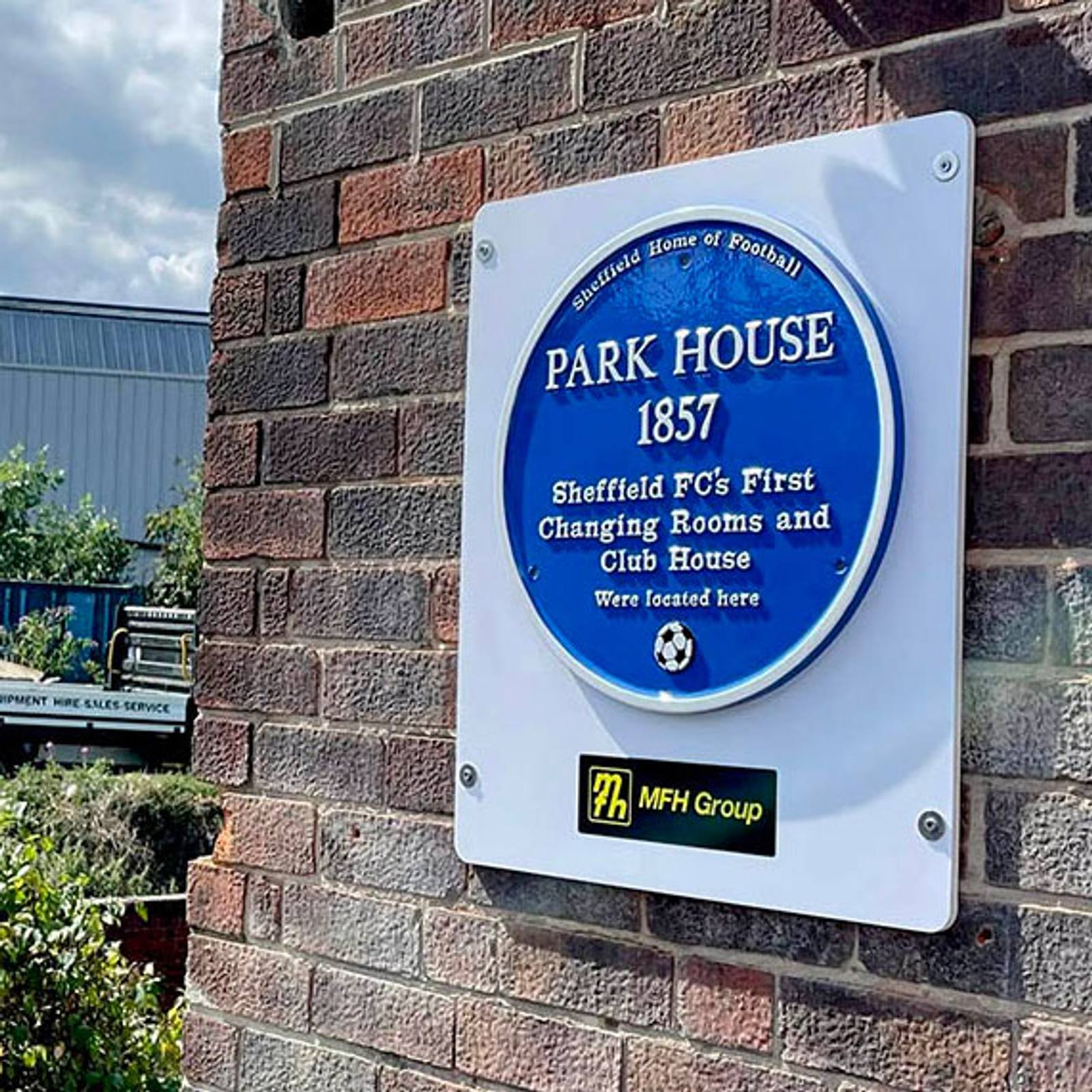
All organised football clubs need somewhere to change & meet. The world’s first modern football club, Sheffield FC was no different. When they formed in October 1857, they played at East Bank in Turners field adjacent to Mr Thomas Asline Ward’s house called PARK HOUSE. Nearby was the Creswick family home, East Hill House making getting to football for Nathaniel Creswick, the club’s co-founder an easy walk across East Bank Road.
The potting shed of PARK HOUSE became the nearby convenient space to form the world very first changing rooms & club house for a modern association football club. This was the age of very early football administration so being a potting shed the club members sometimes made use of the discarded potatoes lying around on the floor to ballot members or take votes during meetings held in there.
For the first year of play at East Bank Sheffield FC’s club members experimented with various football rules, discussing their ideas of how to play the game in the potting shed & then putting them to practise out on the pitch besides Park House making this area the birthplace of modern association football. The world’s biggest sport’s conception location.
PARK HOUSE no longer stands as it did, but in 1857 it could be found located on the junction of Olive Grove Road and East Bank Road. MFH’s south yard & the northern end of the Sheffield College building now currently occupies the area where the house & garden once existed.
We believe the field the players ran out onto was directly south of Park House so now the area covered by Sheffield College building, the Olive Grove bus depot staff car park and the midland railway.
A few years after starting life at Park House, Shefield FC started to use another field at East Bank just west of their first. This became a convenient opportunity to build a new club house along what was Strawberry Hall Lane and allowed the club two playing areas presumably using the original “top” field when the “bottom” became too boggy being the field nearest the Sheaf River. Strawberry Hall lane is now Queens Road, and this second pitch would have covered most of the southern end of the current B&Q car park.
Do you have more information about this that we could add? Are any of the facts wrong? Please get in touch if so.
Source: Steve Wood