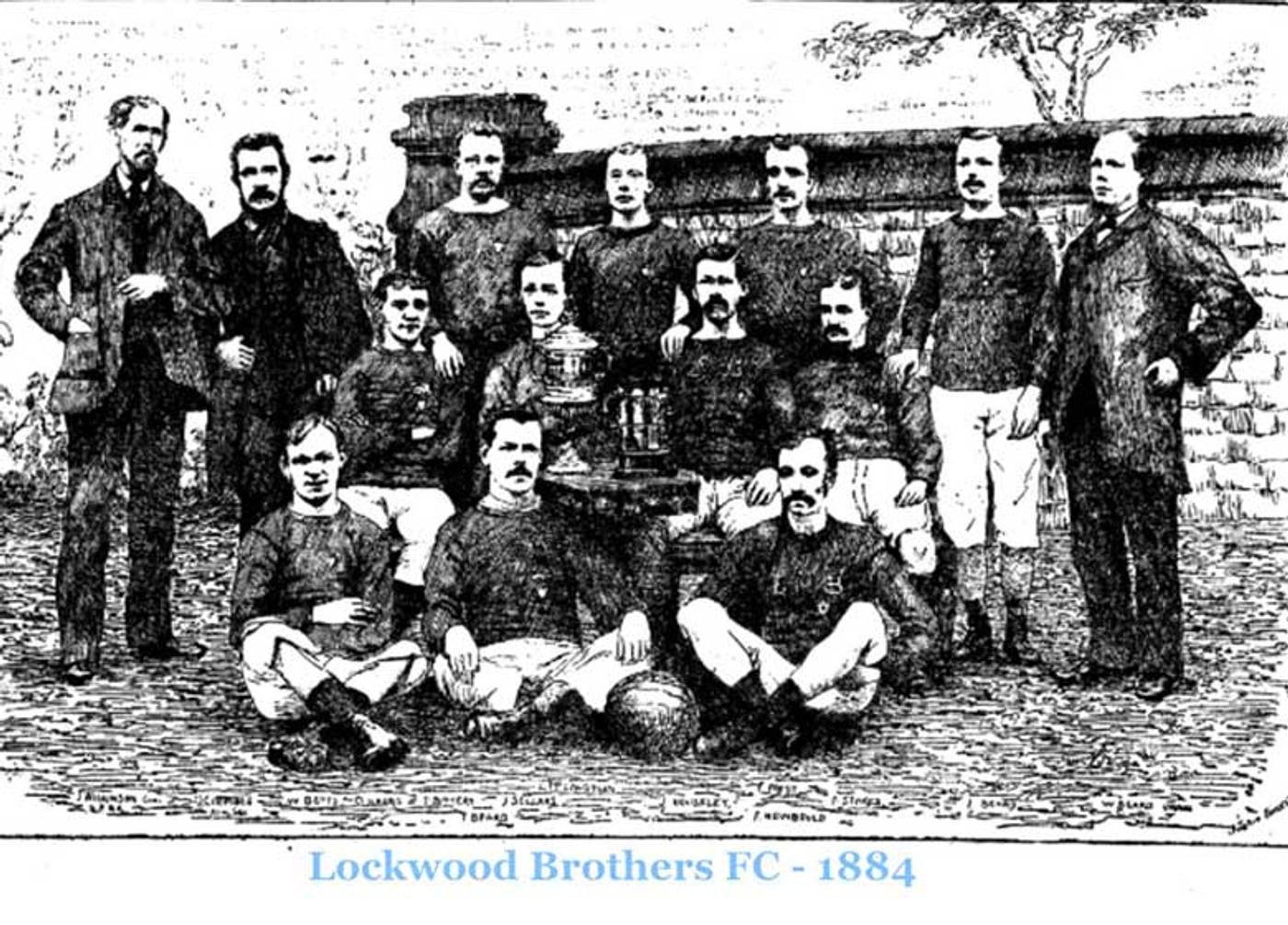
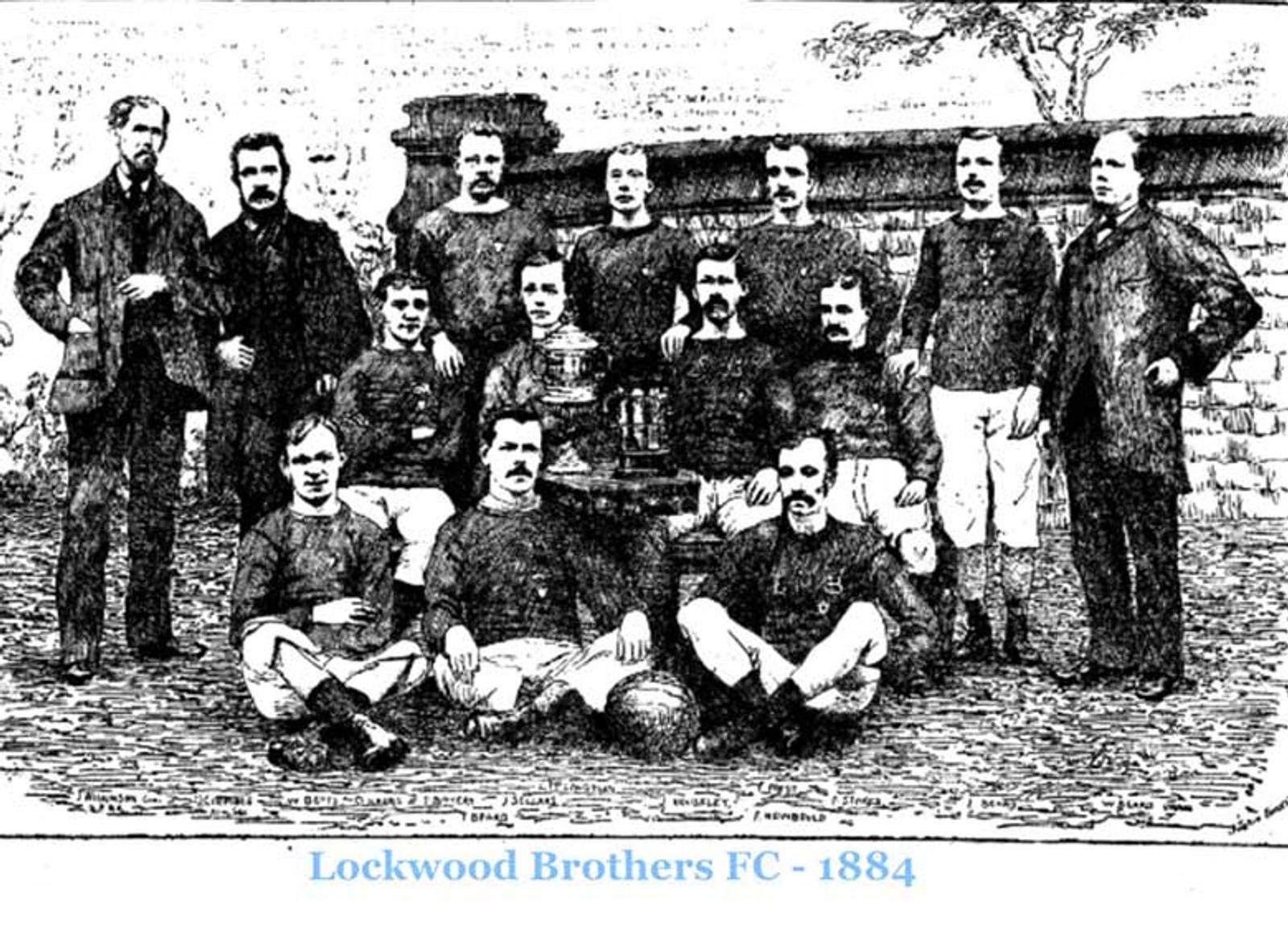
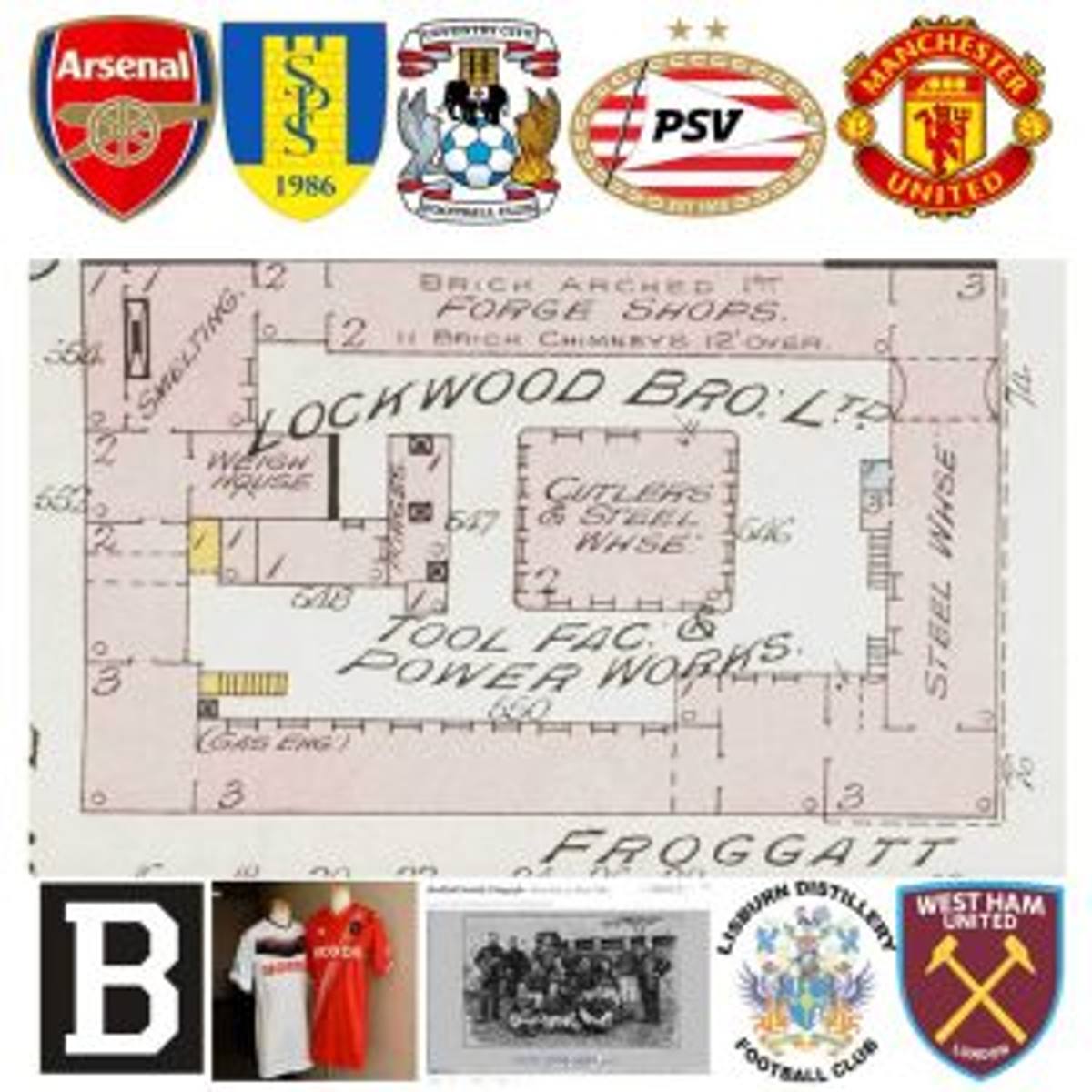
The world’s first club to originate from a factory or works, Lockwood Brothers FC, is to be commemorated with a Blue Plaque next week. (Monday 27th October at 3.00pm). The plaque will be unveiled by The Master Cutler, Professor Keith Jackson, at Freeman College, Sterling Works, Arundel Street, Sheffield S1 2NG, where the knife-makers were formerly based. ‘Lockwood Brothers FC was the first modern football club to originate from a factory or works in 1870’, says SHOF historian and trustee, Steve Wood.
The fashion of clubs emerging from places of working-class employment, supported by the works owners, started to explode during the 1870’s & 80’s especially in areas such as Sheffield, Dumbartonshire & Lancashire. Lockwood Brothers works, during the 1870’s, was on Arundel Street in Sheffield. The club played locally at a now lost ground, called Hunters Bar, which is now Hallamshire Lawn Tenis Club. Lockwood Brothers FC started playing local clubs such as Heeley Victoria, Broomhall and Dore during the 1870’s, but emerged into the 1880’s as one of Sheffield’s top teams.
They won both the highly prestigious local cups during the 1883 – 84 season. These being, the Sheffield Challenge Cup and the Wharncliiffe Charity Cup. They repeated their Sheffield Challenge Cup success the following season.
During their mid-1880’s ‘golden era’, Lockwood Brothers FC could beat clubs of the calibre of Middlesborough & Nottingham Forest. Lockwood’s most significant year happened during the 1886-7 FA Cup. The Wednesday (forerunner to Sheffield Wednesday FC) forgot to apply in time to enter the FA Cup that season and Lockwood Brothers FC, already a decent side, which became even stronger with the inclusion of four Wednesday players, including the legendary England international Billy Mosforth.
‘They reached the 5th round losing only after a disputed goal in a replay against West Bromwich. Decline seems to have been swift for Lockwood Brothers, because the following season, they lost 8-0 in the 5th Round of the FA Cup to Wolverhampton Wanderers at Bramall Lane. This was an indicator that Sheffield football was slipping in standards compared to the rising football power houses of the West Midlands and Lancashire at that time. Eventually Lockwood Brothers was dissolved at some point during the 1890’s.
Other clubs originating from factories or works after trailblazing Lockwood Brothers FC’s lead is countless, and stretches the world over. Some examples are: Manchester United, Arsenal, West Ham United, Coventry City. Honda FC, Bethlehem Steel Football Club, PSV Eindhoven, Stocksbridge Park Steelers, and Lisburn Distillery.
Lockwood Brothers played a significant part in the transitional professional-amateur hybrid era when Sheffield’s football culture evolved and challenged the old order, transforming an elite middle-upper class sport into the people’s game. They could conceivably have reached an FA Cup final in 1866/7, but for a dubious refereeing decision against them against West Bromwich Albion, which did reach the final. The secret of their success was to pay the wages of injured players (up to 30 shillings), despite being amateur and refusing to play against Lancashire clubs.
Everyone is welcome to attend the unveiling. For more information about the work of Sheffield Home of Football, which is working to make Sheffield’s invisible football history, visible, go to sheffieldhomeoffootball.org.uk or email info@sheffieldhomeoffootball.org.