
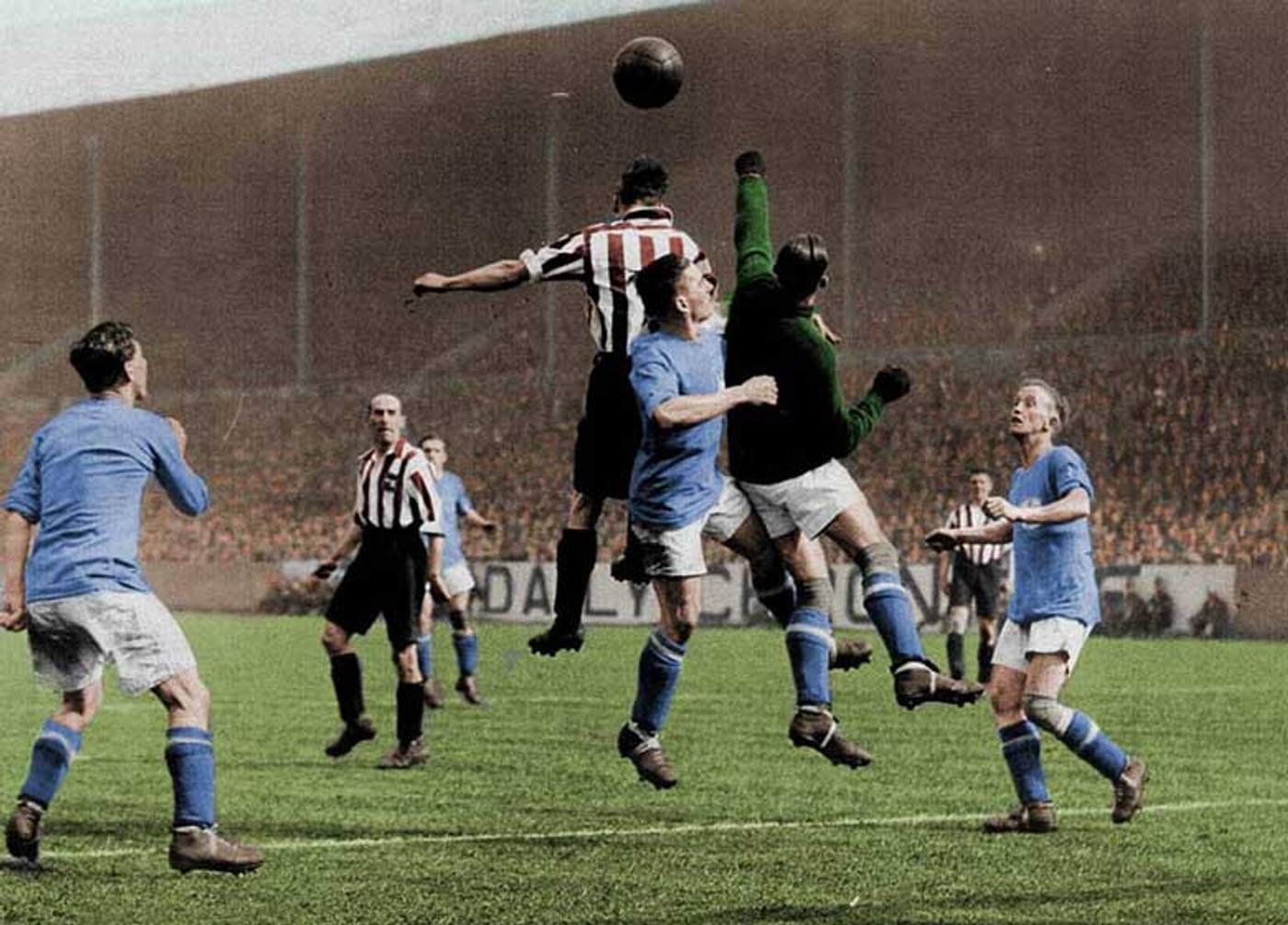
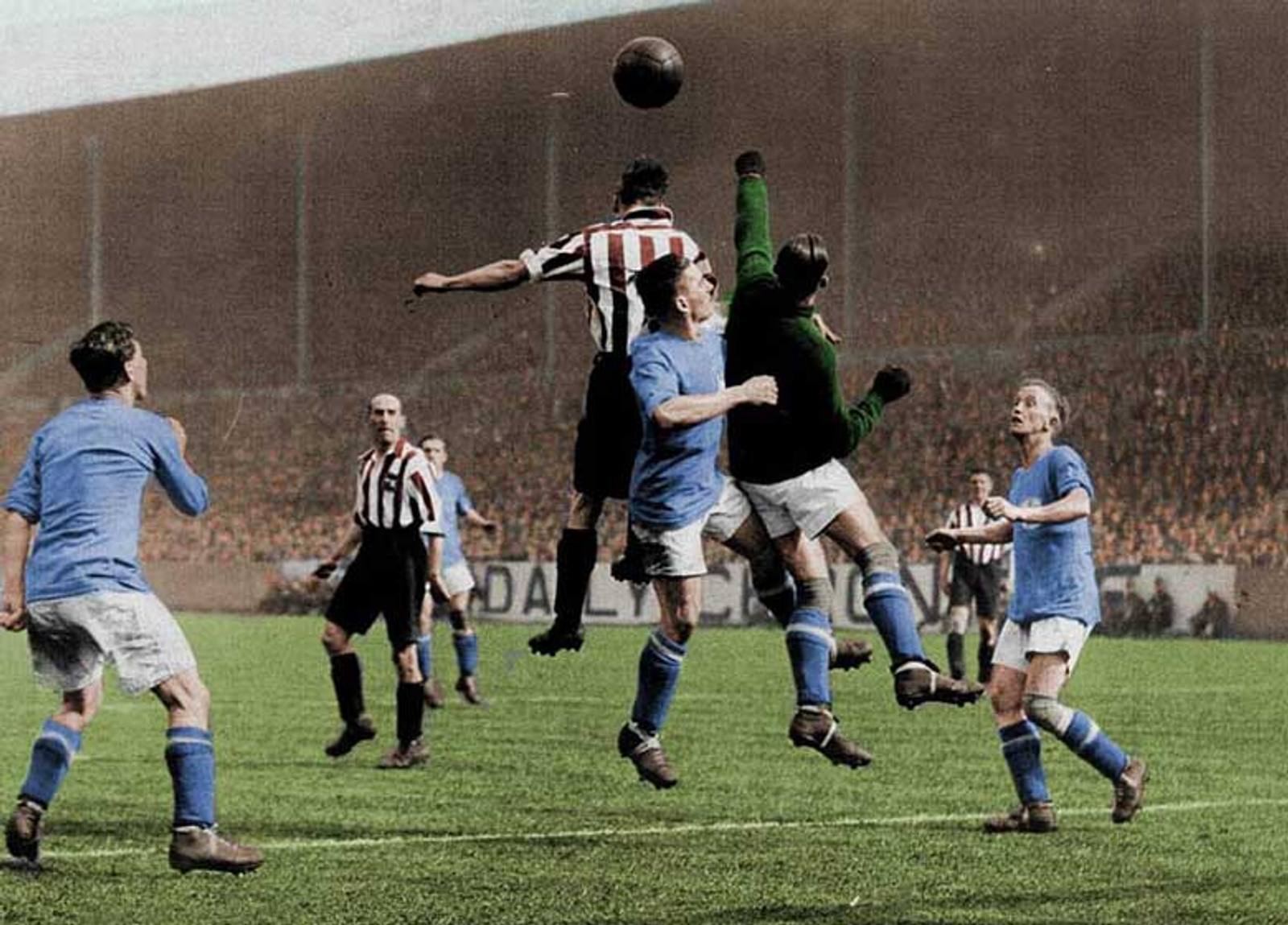
In 1914 football in the Sheffield region was described with relish by an unnamed journalist as ‘full of devilment, free fights, appeals, betting, bad language, and the playing of illegible men’. The Sheffield region was robustly working class and there were dramatic incidents from the late 1880’s onwards of disorder on and off the pitch.
In the 1890’s the FA Records and newspaper reports record numerous incidents including: rioting Darnall fans being threatened at gunpoint on Shireoaks station, a team bus (waggonette) being smashed up and a fan assaulted with a kettle at Kiveton. In 1894 a lady supporter received a banning order after a pitch invasion at Mexborough. Despite the decisive intervention of people like the Sheffield FA secretary William Peirce-Dix, who was determined to stamp out professionalism in all its forms, it was impossible to stop football returning to its plebeian roots. This despite strict rules banning professionals from joining committees and fines for transgressions.
For hundreds of years, before the rules were codified, football played to local rules was common everywhere in the UK with young ‘footballers’ recorded causing a disturbance on Bridge Street Sheffield in the 1820s. Unlike his brother in law Peirce-Dix, JC Clegg was a man with foresight who saw that professionalism was an irresistible force and that Sheffield football was rapidly losing ground, with only a minority of players eligible for representative selection. The New Association players (including George Wilson who helped Blackburn Olympic to FA cup glory, alongside Jack Hunter who was effectively driven out of Sheffield) were ignored and there was a rapid expansion of strong unaffiliated teams linked to public houses who were indulging in professional practices.
New leagues like the Licensed Victuallers League were attracting 1,000 crowds for big games by 1911 and almost every public house was anxious to run it’s own team. Many teams were unaffiliated because they could not afford ground maintenance and had to share patches of land.
The Bible Class League, despite it’s mission of redemption was notoriously rough with few players attending church. Visiting teams facing Grenoside Bible Class FC were warned to ‘make out their wills before travelling’. Despite the challenges JC Clegg’s broad church approach and controlled tolerance of professionalism prevailed. The two associations merged in 1886, and affiliation increased from 170 in 1902 to 480 by 1913.
Professionalism brought the modern ‘people’s game’ as played by premiership and football league teams closer to fruition and Sheffield football was able to reassert itself, with frequent FA Cup and league success common in the first four decades of the professional era.
John Stocks